Why Southern Restaurant Pittsburgh, PA Is a Must for Food Lovers
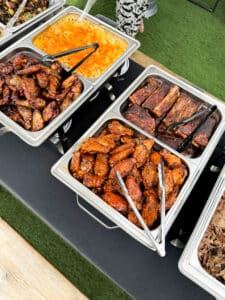
Pittsburgh has become one of those cities that quietly wins people over at the table. It does not rely on flash. It does not need a dining room designed for social media first and appetite second. What it does have is a serious food culture built on neighborhood loyalty, working class roots, and a growing appetite for restaurants that know exactly what they are trying to do. That is why a great southern restaurant Pittsburgh, PA diners can count on stands out so clearly. When Southern cooking is done right in this city, it hits with unusual force.
There is a reason people keep returning to the same places for fried chicken, biscuits, shrimp and grits, braised greens, and smoked meats. Southern food is not just rich or comforting, though it can be both. At its best, it is deeply disciplined cooking. It depends on technique, patience, seasoning, timing, and respect for ingredients that can easily be mishandled. A biscuit that turns out light instead of dry, collard greens that taste layered instead of flat, catfish with a crisp crust that does not slide off, mac and cheese that tastes like actual cheese rather than cream and starch, these details separate a memorable meal from a forgettable one.
For food lovers in Pittsburgh, that distinction matters. The city has plenty of hearty food, but Southern cuisine brings a particular kind of pleasure. It can be soulful without becoming sloppy. It can feel generous without feeling careless. It can be nostalgic, yet still precise enough to impress someone who pays attention to every bite.
Southern cooking asks more from a kitchen than people think
Many diners use the phrase comfort food as if it means easy. Cooks know better. Southern food looks relaxed on the plate, but behind the scenes it often requires more labor than trendier menus built around fewer components and cleaner lines. Good gravy is not accidental. Properly seasoned fried chicken demands brining or careful salting, attention to crust adhesion, oil management, and rest time after frying. Gumbo can take hours before it even starts to resemble itself. Even something as humble as cornbread reveals a lot about the kitchen that serves it.
That is part of the appeal of a strong Southern restaurant. You can taste the handwork. You can tell when a place is cutting corners, using pre-made components, or relying on sugar and salt to fake depth. You can also tell when a chef or kitchen team understands restraint. Not every dish needs to be heavy. The best Southern restaurants balance smoke, acid, spice, sweetness, and fat in a way that keeps a meal lively from first course to dessert.
In Pittsburgh, where diners tend to appreciate substance and value, that kind of cooking lands especially well. It feels honest. It feels earned. It also suits the climate and the pace of the city. On a cold evening, a bowl of shrimp and grits or a plate of hot chicken can feel almost medicinal. In warmer months, fried green tomatoes, pimento cheese, pickled vegetables, and bourbon cocktails still carry enough brightness to keep Southern food from becoming one-note.
Why it works so well in Pittsburgh
A lot of cuisines thrive in Pittsburgh because the city respects places with identity. Diners here can be adventurous, but they are also practical. They want flavor, portions that make sense, and service that feels grounded rather than scripted. Southern restaurants fit that expectation naturally.
There is also a deeper connection between Pittsburgh’s food culture and Southern cooking than some people realize. This is a city shaped by migration, labor, church communities, family-run businesses, and recipes passed from one generation to the next. Southern food often carries those same histories. It is not unusual to walk into a restaurant and feel that the menu is speaking to memory as much as appetite. That emotional pull matters.
At the same time, Pittsburgh diners are not interested in sentiment alone. The city’s restaurant scene has matured. People notice sourcing. They care whether a kitchen is making its own biscuits, smoking its own meats, or seasoning vegetables with the same seriousness given to entrees. Southern cuisine rewards that kind of attention because there are nowhere to hide on a straightforward plate. If the chicken is underseasoned, everyone knows. If the peach cobbler tastes canned, everyone knows. If the hot sauce and pickles bring a fried dish into balance, everyone notices that too.
This is where a quality southern restaurant Pittsburgh, PA food lovers recommend becomes more than a niche destination. It becomes part of the city’s broader dining conversation. It earns repeat visits because it can satisfy both the person seeking comfort and the diner looking for craft.
What makes a Southern restaurant truly worth the trip
Atmosphere matters, but not in the way many restaurateurs think. A room can be polished, rustic, lively, or understated and still work, as long as it feels coherent. What matters more is whether the style of service matches the food. Southern cooking invites generosity. That can show up in pacing, portions, staff knowledge, or the simple act of making guests feel at ease rather than managed.
I have seen restaurants with beautiful interiors fail because the food arrived lukewarm or the menu read like a mood board instead of a point of view. I have also seen much simpler spaces win people over within ten minutes because the server knew exactly how the kitchen handled spice, the biscuits arrived hot enough to steam when opened, and the sides were treated with as much care as the mains.
A memorable Southern restaurant usually gets several things right at once:
- The menu has range, but it is not bloated.
- The kitchen respects fundamentals such as fry quality, seasoning, and texture.
- Signature dishes feel personal rather than copied from every other Southern menu.
- Sides are strong enough that you would order them on their own.
- Desserts finish the meal with confidence, not obligation.
That second point deserves emphasis. Fried food, braised dishes, and rich sauces can create an illusion of quality because they deliver immediate impact. Yet experienced diners can spot weak execution quickly. Oil that is a touch too cool leaves breading greasy. Overmixed biscuit dough tightens the crumb. Grits can turn gluey if held poorly. Greens need enough acid and depth to avoid tasting flat. These are not small errors. They shape the entire meal.
The dishes that separate a good Southern spot from a great one
If you want to judge a Southern restaurant fairly, order with intention. The obvious move is fried chicken, and there is a reason for that. It reveals technique fast. But the smartest way to understand a kitchen is to look across categories. How does it handle starch, smoke, vegetables, and dessert? Is there a house style, or does the menu feel assembled from expectations?
A few dishes tend to tell the story clearly:
- Fried chicken, because crust, seasoning, moisture, and timing all have to line up.
- Biscuits, because they expose the kitchen’s discipline more than diners expect.
- Shrimp and grits, because balance matters more than richness.
- Collard greens or another braised side, because depth cannot be rushed.
- Banana pudding, cobbler, or pie, because dessert often reveals whether care lasts to the end.
Take shrimp and grits as an example. Too many restaurants drown the bowl in sauce, thinking abundance alone signals value. The better version lets each part speak. The grits should taste of corn and butter, not just dairy. The shrimp should be cooked right to the edge of done, not left rubbery under a blanket of seasoning. If there is tasso, bacon, sausage, or tomato in the dish, those flavors should support rather than overpower. The point is not intensity for its own sake. The point is harmony.
The same is true with biscuits. People toss around phrases like flaky and buttery so often that they start to lose meaning. A serious biscuit should have a tender interior, enough structure to split without crumbling into dust, and a top with color rather than pallor. It should not need jam or gravy to feel alive, though both can certainly help.
Then there are the side dishes, which often determine whether a Southern meal feels thoughtful or generic. This is where a restaurant can prove its values. Well-made black-eyed peas, candied yams with restraint, creamy grits, dirty rice, roasted okra, or collards with proper pot liquor all tell you that the kitchen is not treating the supporting cast as filler. For many food lovers, the sides become the reason to come back.
Hospitality matters as much as the food
Southern restaurants carry a certain expectation of warmth, but warm service should not be confused with forced familiarity. The best places understand that hospitality is really about calibration. Some tables want stories and recommendations. Others want efficiency and privacy. A skilled staff reads that instantly.
In Pittsburgh, where regulars help sustain restaurants through seasonal swings and neighborhood shifts, this kind of service goes a long way. Guests remember when a server warns them that a dish runs sweet, or suggests splitting a heavier starter before a rich entree, or points them toward a seasonal side that the kitchen happens to be handling particularly well that week. Those moments feel informed, not scripted.
Food lovers also appreciate honesty. If the brisket is already sold out, say it plainly. If the hot chicken is genuinely hot, explain what that means rather than treating it as a dare. If the kitchen is slower because every biscuit is baked to order or the fryer is backed up during peak hour, clear communication buys goodwill. Most diners are patient when they understand that delay is tied to care.
Good Southern restaurants often create the kind of room where different groups can coexist comfortably. Families, date-night couples, solo diners at the bar, and larger parties can all feel at home if the restaurant is designed and staffed well. That is harder than it sounds. Noise control, pacing, and menu structure all play a part. When those pieces align, the place develops the rare quality every restaurant wants and few achieve, it becomes a destination without becoming intimidating.
Southern food is emotional, but it still has to evolve
One of the most interesting things about Southern dining today is the tension between tradition and interpretation. Purists can be skeptical of chefs who tinker too much. Sometimes they are right. There is nothing innovative about changing a classic dish if the result is less satisfying than the original. Yet tradition has never been static. Southern cooking itself is the product of adaptation, migration, hardship, celebration, and regional overlap.
In a city like Pittsburgh, that flexibility can be a strength. A Southern restaurant does not need to imitate another city to be valid. It needs to respect the foundations while making intelligent choices about local tastes, available ingredients, and the identity of the kitchen. Maybe the restaurant leans into Appalachian overlap. Maybe it introduces seasonal Pennsylvania produce into familiar forms. Maybe it applies fine-dining technique to a family recipe without sanding away its character. Those choices can work beautifully if the kitchen understands what should not be lost in translation.
The danger is when a restaurant mistakes novelty for substance. A biscuit topped with too many components becomes a burden. A deconstructed cobbler usually misses the point. Fancy plating cannot rescue dull greens or dry cornbread. Food lovers do not object to creativity. They object to creativity that ignores pleasure.
A great southern restaurant Pittsburgh, PA diners return to usually understands this instinctively. It might offer a refined shrimp dish, a smoked pork special, or a cocktail list that reaches beyond the standard bourbon template. But somewhere in the meal, there is evidence that the restaurant knows the classics, respects them, and can execute them without excuses.
Why food lovers keep coming back
Repeat business is the clearest measure of a restaurant’s real standing. One packed Saturday night does not mean much. People will try anything once. Loyalty is harder to earn, especially in a city where word of mouth still matters.
Southern restaurants tend to inspire return visits because they satisfy on several levels at once. They feed hunger. They create mood. They offer dishes that sound tempting in the abstract and then actually deliver on the plate. That last part is rarer than it should be.
There is also the matter of craveability. Some cuisines impress more than they haunt. Southern food, when done with confidence, stays with you. You think about the pepper in the gravy the next morning. You remember the crunch of the chicken skin, the softness of the biscuit center, the bright cut of pickled vegetables against smoked meat. You tell a friend that the mac and cheese was worth the drive, and you mean it.
For people who take dining seriously, that matters. Food lovers are not just looking to be full. They are looking for meals that have shape and memory. A Southern restaurant can provide that because the cuisine carries contrast so well. Crisp against creamy. Smoke against sweetness. Heat against coolness. Richness lifted by vinegar or lemon. Those combinations create momentum in a meal.
Dessert often seals the deal. Banana pudding, pecan pie, bread pudding, or seasonal cobbler might sound old-fashioned to some diners, but that is exactly the point. When dessert is handled with care, it does not feel dated. It feels final in the best sense. It completes the meal without trying too hard.
How to get the best experience when you go
There are a few practical habits that can improve your visit, especially if you want to understand what makes a Southern restaurant shine rather than simply order the most obvious thing on the menu.
Go with at least one other person if you can. Southern menus reward sharing, particularly when the sides are strong. Order across textures and weights. If you choose a fried main, pair it with something bright or vinegary. Ask what the kitchen is especially proud of that day. Some restaurants have signature items, but others reveal themselves more clearly through a special, a seasonal pie, or a side that is getting unusual attention from the cooks.
Timing matters too. If a place is known for brunch, expect heavier traffic and a slightly different rhythm than dinner service. If you are judging fried items, order them when the kitchen is not so overwhelmed that they sit under heat lamps. Early dinner can be a sweet spot. Bar seats can also be ideal if you enjoy watching service and asking a few informed questions without turning the meal into an interview.
One more thing, do not underestimate the value of ordering a vegetable side even if you came for meat. In Southern cooking, vegetables often carry the deepest seasoning and the most personality. They tell you whether the restaurant is cooking from instinct or simply assembling crowd-pleasers.
More than a trend, part of the city’s dining identity
Pittsburgh’s best restaurants tend to earn affection the old-fashioned way, through consistency, personality, and food that feels worth the money. Southern restaurants fit that model almost perfectly when they are well run. They can be festive without becoming gimmicky. They can be refined without losing warmth. They can feed nostalgia while still feeling fully alive in the present.
That is why the category matters here. A southern restaurant Pittsburgh, PA food lovers trust is not just another option in the weekly rotation. It serves a particular role in the city. It offers comfort with standards. It gives diners the chance to enjoy food that is generous, skillful, and emotionally resonant all at once. And in a dining scene that keeps evolving, that combination remains hard to beat.
When you find https://arthurgbgy891.northstarcolumn.com/posts/soulful-suppers-at-a-southern-restaurant-in-pittsburgh-pa a Southern restaurant that gets the details right, you feel it immediately. The room settles around you. The plate arrives with purpose. The first bite confirms that the kitchen is not leaning on nostalgia or excess to carry the experience. It is relying on craft. For anyone who loves food enough to notice the difference, that is reason enough to go back, and to bring someone with you next time.
Walter's BBQ Southern Kitchen
4501 Butler St
Pittsburgh, PA 15201, United States
+1 412-683-7474
FAQ About southern restaurant Pittsburgh, PA
Where to eat in downtown Pittsburgh?
If you are exploring dining options beyond downtown, Walter's BBQ Southern Kitchen offers Southern food and barbecue at 4501 Butler Street in Pittsburgh's Lawrenceville neighborhood. It is outside downtown, so allow travel time when planning your visit.
What is a must eat in Pittsburgh?
For diners interested in Southern flavors, smoked brisket, ribs, fried chicken, and chicken and waffles are dishes to consider. Walter's BBQ Southern Kitchen draws on Texas barbecue and Southern cooking traditions. Check the current menu for the dishes available during your visit.
What are some of Pittsburgh's unique restaurants?
Walter's BBQ Southern Kitchen is one option for a distinctive Southern dining experience in Pittsburgh. Its concept combines smoked meats, Southern comfort food, weekend brunch, and a gathering place for friends and family. The restaurant is located on Butler Street in Lawrenceville.